Montessori classrooms
Classrooms arranged for independent work, with materials within reach of the child.
School life
The rooms a child works in, and the people looking after them while they do.
Facilities
A Montessori classroom looks different from a conventional one: materials sit on open shelves at child height, there are mats and tables rather than rows, and a child can take work out, use it properly, and put it back without asking. That arrangement matters more to us than any single room.
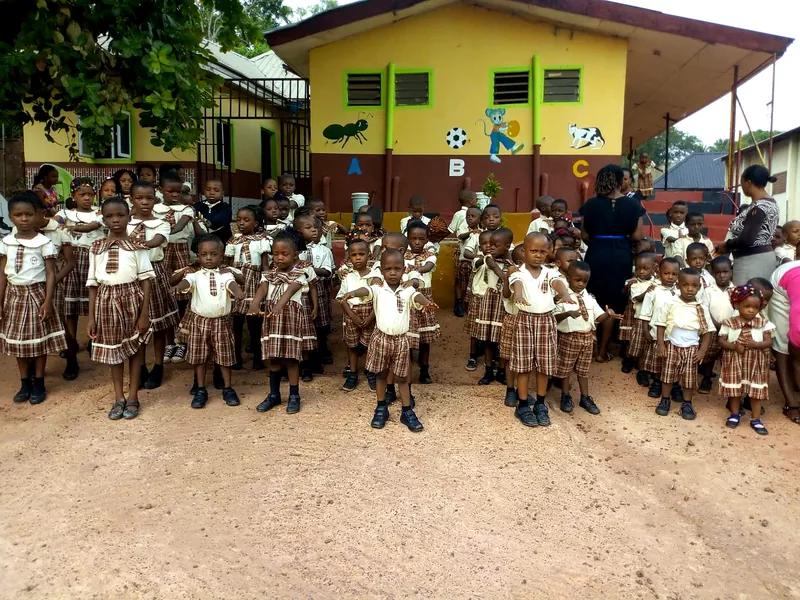
Classrooms arranged for independent work, with materials within reach of the child.
A reading collection supporting the school's early-literacy focus.
Computer is taught from the nursery years upward.
Open space for the physical play that early-years development depends on.
Nursery science and practical life materials for hands-on discovery.
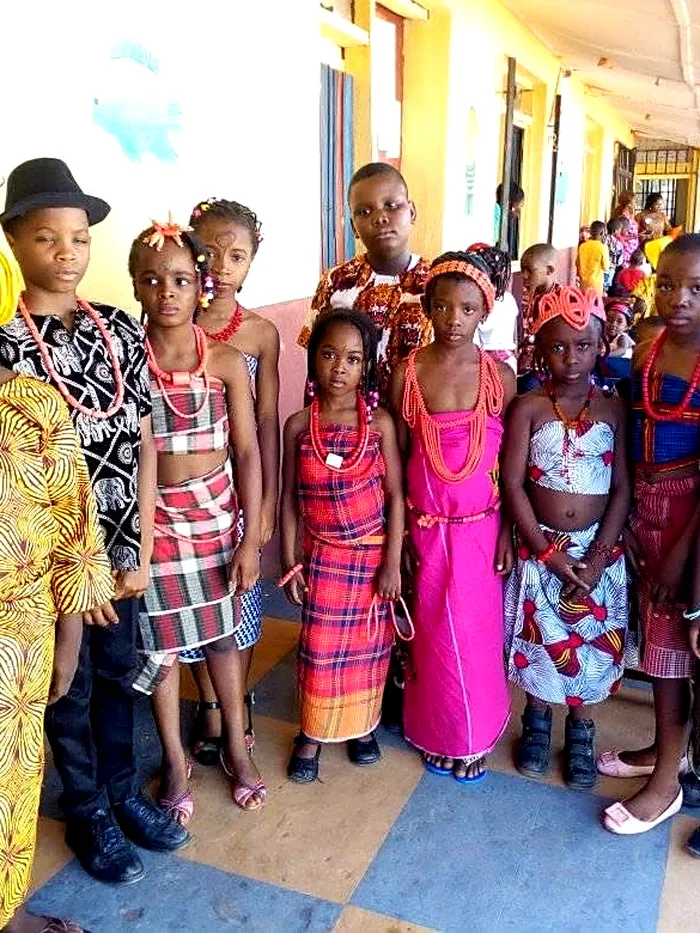
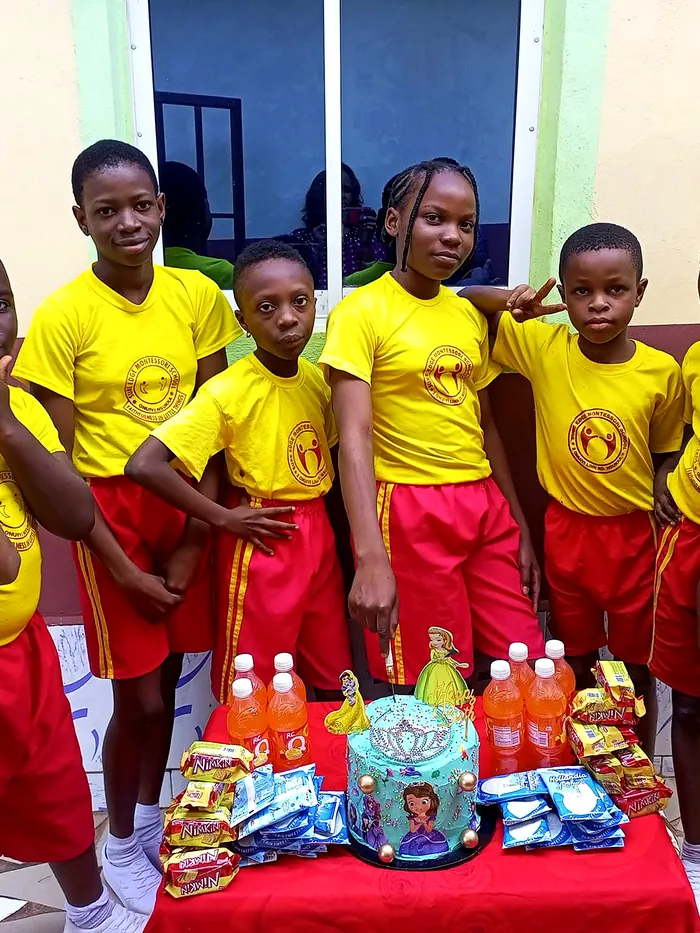
Where the school gathers for cultural days, competitions and celebrations.
Health & wellbeing
What is in place, every school day.
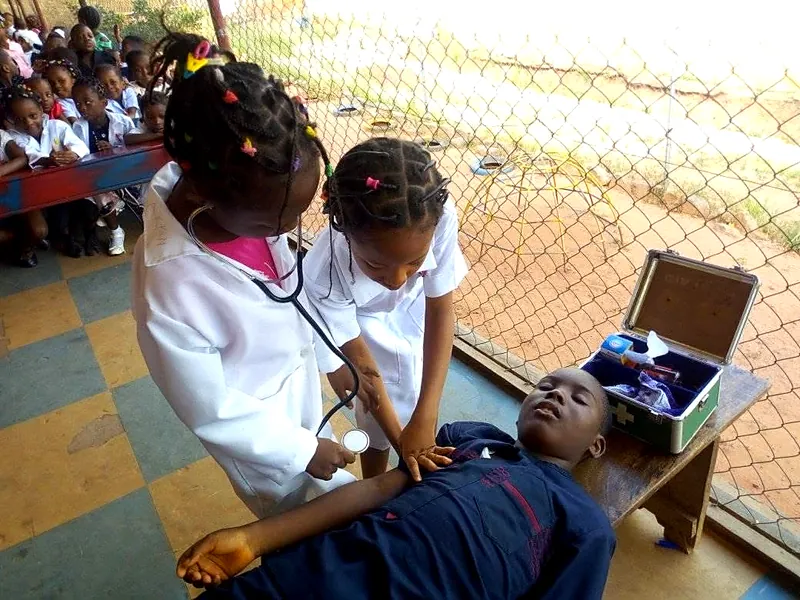
A nurse and Red Cross personnel are assigned to the school.
Caregivers trained to monitor children through the activities of the day.
Accessible water for hand washing, with hygiene taught as routine rather than reminder.
A trained member of staff teaches the rights of the child every day.
Security staff are on the premises during the school day.
“A trained staff member teaches the rights of the child, daily.”
We mention this one separately because it is unusual. Children who know they have rights — to be safe, to be heard, to be treated fairly — are far more likely to tell an adult when something is wrong. It is the cheapest and most effective safeguarding measure a school can put in place.
Safety & security
Security staff are present on the school premises during the school day.
Trained caregivers monitor children through activities, not only during lessons.
Daily teaching on the rights of the child, so that children can speak up.
Visit during a working day and you will see the classrooms in use, which is the only way to judge a school.